A reflection on A.J. Cronin's novel The Keys of the Kingdom (1941), exploring how Fr Francis Chisholm's steadfast faith, humility and goodness offer lessons for how we relate to others today.
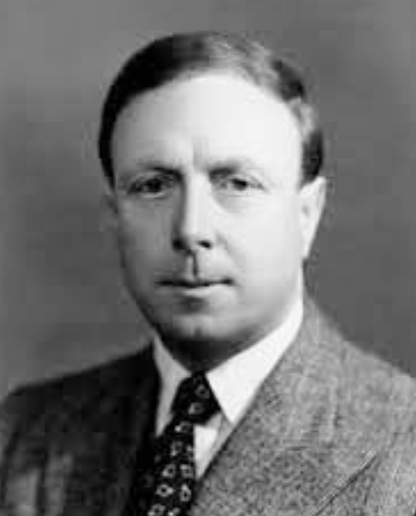
It is often left to non-Catholic writers to write books which speak most perceptively about Catholicism. Willa Cather, in Death Comes to the Archbishop, is one example, but here we have A.J. Cronin and his book The Keys of the Kingdom.
A.J. Cronin is probably best known for his book Dr. Finlay's Casebook, subsequently dramatised by the BBC; and possibly The Keys of the Kingdom, published in 1941, may be in danger of being forgotten. It was made into a 1944 film which made some changes from the book but nevertheless remains powerful viewing.
Francis Chisholm's steadfast faith – challenged at times – has much to teach us today in the way we relate to others. Francis Chisholm's life was not an easy one. Orphaned as a small child when his parents were drowned together in the Tweed, he was adopted by his maternal grandparents and treated with appalling harshness by his grandmother. He worked in a shipyard but was rescued by his aunt and fell in love with her daughter, Nora. She was, however, pushed into a marriage with a man whom she detested, had a child out of wedlock, and committed suicide. The culmination of these events makes Francis reflect on his true vocation and he decides to become a Catholic priest.
This bald summary inevitably gives a melodramatic feel to the story but in fact it is the reverse of saccharine piety. Francis spends thirty-five years as a missionary in China and throughout his priesthood his goodness, humility and sense of humour win over a variety of characters from the Chinese themselves to an austere and proud German mother superior, not forgetting two American Methodist missionaries. His greatest triumph is in the final scene when, now retuned home and a parish priest in his native Tweedside, he is visited by Mgr. Sleeth, the Bishop's secretary, who has heard of some disturbing practices: Fr. Chisholm has told a fat lady, "Eat less. The gates of paradise are narrow." And he has told his congregation that: "Atheists may not all go to hell". Moreover Fr. Chisholm cares for Andrew, the orphaned grandson of Nora who lives with him in the presbytery.
Mgr. Sleeth threatens to take Andrew away, behaves in an arrogant and heartless manner to him and to Fr. Chisholm and compiles a report saying that he should be compulsorily retired. He is met only with kindness and humility and then has his moment of great self-realisation: He [Mgr. Sleeth] could not have believed himself capable of such sadism. But that very cruelty had purged the darkness from his soul. Without hesitation, inevitably, he took up his compiled report and tore it into shreds…. Then he groaned and sank to his knees: "Oh Lord,"– his voice was simple and pleading – "let me learn something from this old man".
Francis Chisholm has passed his baton to us. Pick up today's newspaper with its accounts of unrest and intolerance and reflect on how to carry forward his compassionate and measured legacy, deeply rooted in the Gospels.
Anne and John Duddington